
Mededeling
Collapse
No announcement yet.
Het onvermijdelijke zweefteefjes topic:
Collapse
Dit topic is gesloten.
X
X
-
Re: Het onvermijdelijke zweefteefjes topic:

Cannabinoid Profiles: Meet Your CB Receptors
By: Mitchell ColbertJune 6, 2014
This cannabinoid profile, instead of profiling a specific cannabinoid, will describe the CB1 and CB2 receptors, which are the main receptor sites for the body’s endocannabinoid system and interact with all currently identified cannabinoids in some way. A scientific understanding of these receptor points and how the 70+ cannabinoids interact with them and with each other is crucial to the future of using cannabis as a medicine.
As of the time of this writing, the CB1 and CB2 receptors are the only receptor sites that have been identified that make up the endocannabinoid system. It is suspected that another site exists in the brain, possibly at the TrpV1 receptor or the 5HT1a receptor. Both CB1 and CB2 receptors are coupled to G-proteins; CB1 receptors are present in the central nervous system, and both types of receptors are also located throughout the body at certain key points (immune, reproductive).

Here is the general layout for CB1 and CB2 receptors in the body.
The above map shows natural concentrations of CB1/CB2 sites and describes the endocannabinoid anandamide, which is kind of like the body’s natural THC. Anandamide is one of six endogenous cannabinoid receptor agonists that have been identified. An “endogenous cannabinoid receptor agonist” is a cannabinoid made inside your body that triggers a reaction at a particular point. These endocannabinoids are the chemicals that phytocannabinoids (plant-based cannabinoids) emulate within our bodies to produce their effects.
Many of the effects of these various endo- and phyto-cannabinoids are on our brain. There are numerous locations throughout the brain where CB1 receptors have been found as well as activity at the TrpV1 receptor and 5HT1a receptors.

This is your brain on medicine.
Dispersed throughout the human brain, CB1 receptors control everything from basics like movement and pain perception all the way up to our higher cognitive functions and learning, which may explain why cannabinoids have been found in breast milk in multiple studies.
The sheer pervasiveness and versatility of endocannabinoid receptors have led some eminent scientists to speculate whether a healthy endocannabinoid system may be required for healthy human functioning. That isn’t to say everyone must use cannabis to be healthy, but it does mean that deficient endocannabinoid systems need to be supplemented somehow. Fortunately for us, nature has, as usual, provided a cure.
Cannabinoid Profiles Series
Cannabinoid Profile: THC
By: Mitchell ColbertJune 10, 2014

Formula: C21H30O2
Molecular Mass: 314.2246g/mol
Decarboxylation Point:
Boiling Point:
LD50 (Lethal Dose): “LD50 could not be determined in either rhesus monkeys or dogs as single oral doses of up to 9000 mg/kg of either delta-8- or delta-9-THC in dogs or monkeys were non-lethal.” (Compare to Nicotine: for mice – 3mg/kg, for humans – 40–60 mg/kg)
While Δ9-THC is the most common cannabinoid in most cured cannsbis sold in stores, it is not the only THC in cannabis; it is joined by THCa, THCv, and Δ8-THC, as well as a slew of other cannabinoids, including CBD and CBN. Δ9-THC is the primary psychoactive compound that has been identified in the cannabis plant, though other trace cannabinoids are psychoactive, and others, like CBD, modulate how THC effects the body. THCv and CBN have both been shown to be psychoactive, while THCa is non-psychoactive (like CBD).
Δ9-THC is the cannabinoid responsible for the famed munchies that cannabis users speak of. By an ironic twist of fate, THCv, a chemical relative to THC, is being researched as an appetite suppressant (more on that in a future blog). THC is the result of THCa decarboxylation, as THCa loses carbon molecules it becomes THC and becomes psychoactive. Eventually this same chemical process will cause the THC to break down further into CBN, retaining some of its psychoactive qualities but losing much of its medicinal value.
Therapeutic Uses
Analgesic – Relieves pain.
Anti-Emetic – Reduces vomiting and nausea.
Anti-Proliferative – Inhibits cancer cell growth.
Antioxidant – Prevents the damage of oxidation to other molecules in the body.
Antispasmodic – Suppresses muscle spasms.
Anxiolitic – While not fully recognized as an anxiolitic compound THC does seem to assist in the anxiety associated with PTSD.
Appetite Stimulant – Δ9-THC is the only cannabinoid identified that is an appetite stimulant, giving people the stereotypical “munchies” many users describe.
Euphoriant – Produces feelings of euphoria, promotes happiness and relaxation.
Neuroprotective – Slows damage to the nervous system and brain.
Currently Being Studied For
Anorexia Nervosa: THC has shown great promise in reversing the weight loss associated with anorexia in studies on mice as well as humans. Even the synthetic cannabinoids dronabinol and marinol have been demonstrated to help with weight loss. While THC does stimulate one’s appetite, a double-blind placebo controlled study found that these effects were not strong enough to make THC a potential treatment for cachexia or anorexia.
Cancer: THC was the first cannabinoid discovered that helped combat cancer, and since then it has been shown tohalt the growth of tumors, and in some cases shrink them, through various methods not yet fully understood. In onerecent case study, an infant suffering from a brain tumor experienced a 90% reduction in tumor size over a year of twice a day use of hemp oil. Veteran cancer researcher Donald Tashkin, in the largest controlled study of its kind, found that daily smoking of THC-rich cannabis resulted in lower instances of cancer than in the general population ofnonsmokers! Think about it; all smoking causes cancer by creation of benzopyrene, but despite that THC is a strong enough anti-proliferative to prevent more cancer than the smoking causes. Fun Fact: Burning ANY organic matter creates benzopyrene. This means that barbeque, toast, and even grilled vegetables can give you cancer, but cannabis will not even if you burn it.
Chronic Pain: THC has been shown to have great prospect in treating chronic pain because it seems to change “the way the nerves function.” THC also has been studied heavily for its use in treating neuropathic pain, including the pain associated with HIV and cancer. Recent studies seem to agree that THC changes how we feel pain and makes it more bearable. It is not a pain killer in the sense that it reduces the amount of pain felt, instead it seems to raise an individual’s pain tolerance by distracting them from their pain. A 2015 study on neuropathy in diabetic patients found that THC “demonstrated a dose-dependent reduction in diabetic peripheral neuropathy pain.”
HIV/AIDS: Aside from assisting with the pain and nausea that often are associated with HIV/AIDS, THC directly fights the virus in unique ways that have only recently been identified. A 2012 study shows THC assisting in HIV treatment by its activation of CB2 receptors and CD4 receptors. Cannabis affects our body by interacting with our endocannabinoid system, the CB2 and CD4 receptors are a part of that system. A study from earlier this year expands on the role of THC in combating HIV through its activation of CB2 receptors.
Post Traumatic Stress Disorder: Recent research has shown THC to be a powerful treatment for Post Traumatic Stress Disorder, possibly due to it’s ability to help people forget. This forgetting can include forgetting about trauma that should be let go of, so the individual can heal and move forward. THC is a plant version of the endo-cannabinoid Anandamide, which has also been shown to be crucial in treating PTSD. Now, a host of scientists, including the award-winning researcher Sue Sisley, are conducting research into THC’s ability to help treat PTSD. Dr. Sisley has gained much attention after Dr. Sanjay Gupta covered her PTSD research in his CNN special, Weed III. Research by Dr. George Greer in New Mexico has shown that THC-rich cannabis can reduce symptoms of PTSD by 75% on average. A 2011 study from the University of Halfa demonstrated that marijuana, notably THC, can help mitigate the onset of PTSD if taken after a traumatic event.
Gastrointestinal Inflammation: THC lowers the incidence of blockages and other gastrointestinal inflammation associated with use of NSAID anti-inflammatory drugs. THC “protects against diclofenac-induced gastric inflammatory tissue damage at doses insufficient to cause common cannabinoid side effects.” A recent survey of Irritable Bowel Disorder sufferers found that 1/6 use THC-rich cannabis to treat the inflammation.
Cannabinoid Profiles Series
Cannabinoid Profiles: A Crash Course in THCv
By: Mitchell ColbertJune 24, 2014

In this issue of Cannabinoid Profiles, the properties of THCv are broken down and the therapeutic benefits are explored. Get to know this cannabinoid and discover what studies are currently being done to determine its wide variety of medicinal benefits.
Molecular Mass: 314.47g/mol
Decarboxylation Point: ???
Boiling Point:
LD50 (Lethal Dose): Unknown, likely comparable to THC. (Compare to Nicotine: 40–60 mg, 0.5-1.0 mg/kg)
THCv is a non-psychoactive variant of THC. The other major difference between the two is that instead of stimulating appetite, the famed ‘munchies,’ THCv actually suppresses appetite. For that reason THCv is being heavily researched as a weight loss tool. Like many cannabinoids it is an anti-inflammatory and an analgesic, though less strong than CBD and THC, but using different mechanisms in the body.
Therapeutic Uses
Analgesic – Relieves pain.
Anorectic – Appetite suppressant, promotes weight loss.
Anti-Emetic – Reduces vomiting and nausea.
Anti-Epileptic – Reduces seizures and convulsions.
Anti-Inflammatory – Reduces inflammation systemically.
Bone Stimulant – Promotes bone growth.
Euphoriant – Produces feelings of euphoria, promotes happiness and relaxation.
Currently Being Studied For
Diabetes: A combination CDB/THCv tincture is in a phase 2 clinical trial as a way to mitigate diabetes. GW Pharmaceuticals, a British company, is a world leader in cannabis research. GW is presently examining CBD/THCv’s abilities to ameliorate insulin sensitivity.
Weight Loss:The same mechanisms that allow THCv to combat diabetes combined with THCv’s anorectic properties make it an effective way to combat obesity and control weight gain. GW Pharmaceuticals is also leading this research. GW believes in THCv so much they have even patented its abilities to combat weight gaining and diabetes.
Parkinson’s Disease:THCv is a cannabinoid that has been identified that can aid in Parkinson’s Disease by attenuating the motor inhibition caused by 6-hydroxydopamine. It also has various related mechanisms that assist in treating Parkinson’s.
Anti-Inflammatory:This study was only done on mice but if other studies are any indication of success it should apply similarly to humans, but THCv shows to be an anti-inflammatory. It works through a different mechanism than other anti-inflammatory drugs, THCv inhibits cyclic AMP production by hCB(2) CHO cells, but does not inhibit other affiliated cells. The whole thing seemed to rely on the CB 2 receptors.
References:
Steep Hill Lab, Cannabinoid and Terpenoid Reference Guide; http://steephilllab.com/resources/ca...ference-guide/
Skunk Pharm Research, Cannabinoid and Terpene Info; http://skunkpharmresearch.com/cannabinoid-info/
SC Labs, Meet the Cannabinoids; http://www.scanalytical.com/the-cannabinoids.html
Cannabinoid Profile: Cannabidiol (CBD)
By: Mitchell ColbertJune 17, 2014

Formula: C21H30O2
Molecular Mass: 314.2246 g/mol
Decarboxylation Point: 115-145 (239to 293
Boiling Point:
LD50 (Lethal Dose): 50mg/kg for mice (Compare to Nicotine: 3mg/kg for mice, 40–60 mg/kg for humans), ~748mg/kg for humans
Cannabidiol (CBD) is one of the most common non-psychoactive cannabinoids in the cannabis plant, occurring in the largest concentrations after THC and THCa. The reason THC is psychoactive is because it interacts with the CB1 receptor. CBD, on the other hand, has no interaction with the CB1 receptor and instead uses a bunch of other receptor sites. In an interesting reversal of CBD’s ability to calm THC psychoactivity, there is a way to transform CBD into THC.
Aside from being non-psychoactive, CBD is a powerful treatment for seizures, pain, inflammation, cancer, auto immune diseases, and numerous other conditions. While THC is also an analgesic and anti-inflammatory, CBD has been shown to even more potent than THC and pharmaceutical drugs. While THC and CBD both cause the user to feel less pain they use entirely different mechanisms of action. THC helps with pain by helping one forget they are in pain, or by distracting them from your pain. CBD works to reduce the amount of pain felt whenever you are hurt, more similar to traditional opiate pain killers.
Due to the fact that it is non-psychoactive and has a wide range of medical uses, CBD is highly recommended for treatment of children, the elderly, and anyone who wants to remain clear headed while still getting the medical benefits of cannabis. CBD appears to change how THC affects the body, making it less psychoactive yet preserving the therapeutic benefits. Many people who are new to cannabis edibles report getting too high and having negative experiences, if this ever happens to you, use a CBD-rich tincture to calm down the psychoactive effects of THC and help you sober up.
The vast medical benefits coupled with the lack of psychoactivity have prompted over a dozen states to pass CBD-only medical cannabis laws, legalizing a part of the plant while keeping the whole plant illegal. This does a dis-service to patients because even patient who need a CBD-rich regimen of medicine often need THC, THCa, or CBG; pediatric epilepsy patients use very high ratios of CBD:THC, in the range of 28:1, yet they still need THC at times and can see benefits from using THCa and CBG. Combining different cannabinoids together has been shown to have a stronger effect than any of those cannabinoids would have had on their own, this effect has been called the Entourage Effect. Many companies are attempting to cash in on the CBD Green Rush and have put numerous inferior products on the market for inflated prices, ProjectCBD has called these Snake Oil Salesmen “Hemp Oil Hustlers.” The problem has become so bad that in February of 2015, the FDA sent warning letters to numerous companies informing them that their CBD products did not test as high as they claimed and that they are not FDA approved.
Therapeutic Uses
Analgesic – Relieves pain.
Antibacterial – Slows bacterial growth.
Anti-Diabetic – CBD is the only cannabinoid identified that helps lower blood sugar levels.
Antidepressant – Relieves symptoms of depression.
Anti-Emetic – Reduces vomiting and nausea.
Anti-Epileptic – Reduces seizures and convulsions.
Anti-inflammatory – Reduces inflammation systemically.
Anti-Insomnia – Aids with sleep.
Anti-Ischemic – CBD is the only cannabinoid identified that reduces the risk of artery blockage.
Antipsioratic – CBD is the only cannabinoid identified to treat psoriasis.
Anti-Proliferative – Inhibits cancer cell growth.
Antipsychotic – Tranquilizing effects to relieve symptoms of psychosis, two terpenoids also help (linalool and myrcene).
Antioxidant – Prevents the damage of oxidation to other molecules in the body.
Antispasmodic – Suppresses muscle spasms.
Anxiolitic – CBD is the only cannabinoid identified that relieves anxiety, but two terpenoids also help (linalool and limonene).
Bone Stimulant – Promotes bone growth.
Immunosuppressive – CBD is the only cannabinoid identified that reduces function in the immune system.
Intestinal Anti-Prokinetic – CBD is the only cannabinoid identified that reduces small intestine contractions.
Neuroprotective – Slows damage to the nervous system and brain.
Vasorelaxant– CBD is the only cannabinoid identified that reduces vascular tension.
CBD is also currently being studied for a variety of conditions.
Currently Being Studied For
Alzheimer’s Disease/Dementia/Memory Loss: CBD’s strong neuroprotective and antioxidative effects work together to counteract the effects of aging on our brains, fighting off memory loss and dementia.
Bone Healing: New research from March 2015 has shown that CBD’s ability to stimulate bone growth is powerful enough to speed up and enhance the healing of broken bones. The same study found that THC had a related role in the healing of broken bones, working in entourage with CBD.
Cancer: A study was published in 2007, regarding ongoing research being done at San Francisco’s California Pacific Medical Center, showing that CBD inhibits a particular gene (Id-1) which is responsible for the growth of cancer cells in the body. By inhibiting this gene CBD shuts down the growth of cancer cells, potentially stopping or even reversing tumor growth. While it is premature to say that CBD cures cancer, it is worth further research.
Dravet Syndrome/Epilepsy: In October of 2013, the Food and Drug Administration (FDA) approved two clinical trialsassessing the therapeutic uses of CBD in treating intractable epilepsy in children. The CBD preparations are being made by British pharmaceutical company GW Pharmaceuticals, makers of Sativex. Dravet is a rare seizure disorder where usually children will have their first intractable seizure before they are even one year old, and in exceptional cases seizures can last over 24 hours. Harborside, where I work, has a famous patient named Jayden, a young boy who uses a CBD-rich tincture to treat his Dravet Syndrome.
Depression/Anxiety: CBD stimulates the 5-HT1a receptor in the brain, a region involved in the re-uptake of serotonin and other processes that aid with depression and anxiety. The antidepressant properties of CBD are very similar to the trycyclic antidepressant Imipramine (also being evaluated for panic disorder).
Diabetes: CBD was first discovered to mitigate the effects of diabetes in 2006. since then it has been shown to havenumerous benefits for people with diabetes, specifically in reducing neurotoxicity and inflammation. In a follow up study done in 2010, it was found that CBD worked as a defense against neurodegeneration. Another 2010 study said CBD had “great therapeutic potential in the treatment of diabetic complications, and perhaps other cardiovascular disorders.”
Inflammatory Bowel Disease/Crohn’s Disease: CBD shows a lot of promise for controlling the inflammatory responses and discomfort caused by Crohn’s disease and IBD. CBD has so much potential to regulate these diseases that it is being considered for a new class of IBD drugs.
Nausea: In a study done on nausea and vomiting, CBD was shown to have anti-emetic, anti-nausea effects. The same study found that CBG could block these anti-nausea effects, perhaps because moderate doses of CBD and CBG may oppose eachother at the 5HTP1a receptor in the brain.
Schizophrenia/Psychosis: CBD is a powerful antipsychotic currently being considered for use in treating schizophrenia and other psychoses. Cannabidiol appears to have a very similar chemical profile to certain atypical antipsychotic drugs.

Cannabinoid Profile: A Crash Course in CBG
By: Mitchell ColbertJuly 1, 2014
In this issue of Cannabinoid Profiles, the properties of CBG are broken down and the therapeutic benefits are explored. Get to know this cannabinoid and discover what studies are currently being done to determine its wide variety of medicinal benefits.
Formula: C21H32O2
Molecular Mass: 314.2246 g/mol
Decaboxylation Point:????
Boiling Point: ????
LD50 (Lethal Dose): 300mg/kg for mice (Compare to Nicotine, for human: 40–60 mg, 0.5-1.0 mg/kg)
Cannabigerol (CBG) is not considered psychoactive and is known to block the psychoactive effects of THC. It has been shown to stimulate the growth of new brain cells in a process called neurogenesis. Neurogenic compounds are extremely rare, which makes CBG a very worthwhile subject for more research. CBG also is antibacterial, anti-tumor, and aids with insomnia. CBG is considered a ‘stem cell’ cannabinoid and can change into different cannabinoids, altering the overall effects of the plant. It is effectively impossible to overdose on CBG; it usually exists only in trace amounts in a processed plant, this makes the already very high LD50 of 22.44g/kg even less. CBG ,CBD, and the CBC’s all share the same molecular formula but have a different structure.
Therapeutic Uses
Analgesic – Relieves pain.
Antibacterial – Slows bacterial growth.
Anti-Epileptic – Reduces seizures and convulsions.
Anti-Inflammatory – Reduces inflammation systemically.
Anti-Insomnia – Aids with sleep.
Anti-Proliferative – Inhibits cancer cell growth.
Bone Stimulant – Promotes bone growth.
Neurogenic – CBG is the only cannabinoid identified that helps stimulate the growth of new brain cells.
Currently Being Studied For
Glaucoma: A 2009 study found both CBG and THC to be very effective for relieving the intraocular pressure from glaucoma. This is an area that will undoubtedly be receiving more research in the years to come.
Inflammatory Bowel Disease: Much like CBD, CBG shows a lot of potential for controlling the inflammation that leads to IBD, and like CBD warrants further research.
Painkiller and Anti- Inflammatory: Recent research suggests that CBG has anti-inflammatory and analgesic properties and recommends further study.
5-HT1a Receptor Agonist/Antagonist?: CBG appears to do something at the 5-HT1a receptor that is not fully understood. It modulates the effects of other cannabinoids at this brain site, which is the hub of emotions and depression regulation in the brain. Depending on the study, evidence suggests that CBG may help with depression and anxiety, or possibly block certain anti-depressant drugs. One study in rodents showed that if the right combination of CBG and CBD were present the CBG would block some of the anti-nausea effects of the CBD, but it could not quite identify why (other than it related to the 5HT1a receptor).
Dravet Syndrome/Seizures: Anecdotal evidence and some current studies suggest that CBG may be beneficial to patients with Dravet and other seizure conditions. A new tincture was just released at Harborside Health Center which is the first CBG-rich tincture on the market. This tincture, named Jayden’s Juice after Jayden David, the young boy with Dravet syndrome made famous by Weed Wars, is currently what Jayden is using to combat his seizures instead of a purely CBD rich tincture. A study from earlier this year also suggests that CBG may help with seizure management, but the mechanisms aren’t fully understood.
Cannabinoid Profile: A Crash Course in CBC
By: Mitchell ColbertJuly 8, 2014

In this issue of Cannabinoid Profiles, the properties of CBC are broken down and the therapeutic benefits are explored. Get to know this cannabinoid and discover what studies are currently being done to determine its wide variety of medicinal benefits.
Formula: C21H30O2 (Same as CBD but configured differently)
Molecular Mass: 314.2246 g/mol
Decarboxylation Point: ???
Boiling Point:
LD50 (Lethal Dose): 270mg/kg for monkeys (Compare to Nicotine, for humans: 40–60 mg, 0.5-1.0 mg/kg)
Cannabichromene is a little understood non-psychoactive cannabinoid that has recently been the subject of much greater scrutiny. Like THC and CBD, CBC is an end product of CBG being processed into CBGa, and then into other cannabinoids. As a result, CBC has the same chemical formula and weight as CBD and THC but differs from its chemical cousins by the arrangement of its atoms. The heretofore lack of research hasn’t stopped it from being the subject of multiple patents recognizing its wide range of medical uses. Like THC and CBD, CBC is an analgesic and anti-inflammatory, although less potent than these more famous molecules. It is also antibacterial and its variant CBCa has been shown to be an antifungal agent. Like CBD, cannabichomene is both a bone stimulant and neurogenic compound, helping grow both body and mind. Perhaps its most important use is as an anti-proliferative, slowing tumor growth and combating cancer, just like CBD and THC. CBC has also been shown to be ten times as powerful as CBD at reducing anxiety and stress.
Analgesic – Relieves pain.
Therapeutic Uses
Antidepressant – Relieves symptoms of depression.
Antifungal – Inhibits the growth of fungus.
Anxiolitic – Relieves anxiety.
Anti-inflammatory – Reduces inflammation systemically.
Anti-Proliferative – Inhibits cancer cell growth.
Bone Stimulant – Promotes bone growth.
Neurogenesis – Promotes the growth of new brain cells.
Cannabinoid Profile: A Crash Course in THCa
By: Mitchell ColbertJuly 15, 2014
In this issue of Cannabinoid Profiles, the properties of THCa are broken down and the therapeutic benefits are explored. Get to know this cannabinoid and discover what studies are currently being done to determine its wide variety of medicinal benefits.
Formula: C22H30O4
Molecular Mass: 358.4733 g/mol
Decarboxylation Point: ???
Boiling Point:
LD50 (Lethal Dose): 5628mg/kg for rats (Compare to Nicotine, for humans: 40–60 mg, 0.5-1.0 mg/kg)
Found in the trichomes, Tetrahydrocannabinolic acid (THCa) is the acidic precursor to THC, which actually exists in only minute quantities in the living plant. In living cannabis, THCa is the most abundant cannabinoid and terpenoid, potentially reaching over 30% of the dry weight of any cannabis plant. Immediately after harvest, the THCa begins to be converted into THC, a process quickened by exposure to heat and sunlight. One main reason cannabis is cured is to convert the THCa into THC, as well as drying it out to make it easier to burn, thus releasing the remaining THCa as THC. Knowing about decarboxylating cannabis is crucial in making edibles, where one pre-cooks the bud before making it into butter to raise the potency by converting THCa into THC.
Like all cannabinoids that exist in the living cannabis plant, THCa is non-psychoactive, though it still stimulates the appetite like THC. It also is a powerful anti-inflammatory, helps fight cancer and other tumors, aids with sleep, and more. Also like THC, an oral test has already been developed to detect THCa. While some sources show THCa to be a stable compound, Aphios research chemicals claims that it is very unstable and will breakdown into THC within weeks. It may have to do with the preparation of synthesized THCa used in their laboratory versus an active live-plant based THCa, but without further research the stability of THCa and how quickly it converts to THC is unknown.
Therapeutic Uses
Analgesic – Relieves pain.
Anti-Emetic – Reduces vomiting and nausea.
Anti-Inflammatory – Reduces inflammation.
Anti-Insomnia – Aids with sleep.
Anti-Proliferative – Inhibits cancer cell growth.
Antispasmodic – Suppresses muscle spasms.
Modulates Immune System – THCa has been shown to both improve and potentially suppress the immune system functions.
Neuroprotective – Slows damage to the nervous system and brain.
Cannabinoid Profile: A Crash Course in CBN
By: Mitchell ColbertJuly 22, 2014

In this issue of Cannabinoid Profiles, the properties of CBN are broken down and the therapeutic benefits are explored. Get to know this cannabinoid and discover what studies are currently being done to determine its wide variety of medicinal benefits.
Formula: C21H26O2
Molecular Mass: 310.4319 g/mol
Boiling Point:
LD50 (Lethal Dose): 13500mg/kg for mice (Compare to Nicotine: for mice – 3mg/kg, for humans – 40–60 mg/kg)
Cannabinol (CBN) is what tetrahydrocannabinol (THC) will break down into over time due to exposure to oxygen and heat. By this time CBN will become only mildly psychoactive, and much less intense than when it was THC. However, just because this cannabinoid isn’t very psychoactive doesn’t mean it isn’t potent. In fact, CBN is the strongest cannabinoid identified for promoting sleep, which makes cannabis rich in CBN an ideal treatment for insomnia. Indica strains appear to have more CBN than sativa strains, which would explain the commonly held belief that indicas make you sleepy and give you a body high. CBN is a CB2 and CB1 receptor agonist and may inhibit immune cell functionality.
Therapeutic Uses
Analgesic – Relieves pain.
Antibacterial – Slows bacterial growth.
Anti-Emetic – Reduces vomiting and nausea.
Anti-Epileptic – Reduces seizures and convulsions.
Anti-inflammatory – Reduces inflammation systemically.
Anti-Insomnia – Aids with sleep.
Anti-Proliferative – Inhibits cancer cell growth.
Appetite Stimulant – CBN appears to be a mild appetite stimulant.
Bone Stimulant – Promotes bone growth by stimulating osteocytes.
Comment
-
Re: Het onvermijdelijke zweefteefjes topic:
Cannabis and Rheumatoid Arthritis
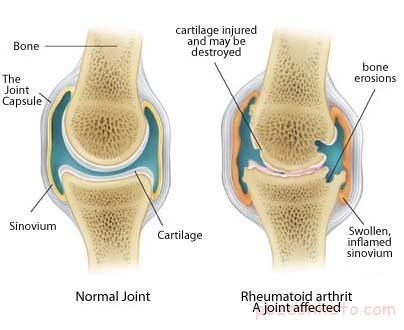
Rheumatoid arthritis is an inflammatory disease of the joints characterized by pain, stiffness, and swelling, as well as an eventual loss of limb function. Rheumatoid arthritis is estimated to affect about one percent of the population, primarily women.

Use of cannabis to treat symptoms of RA is commonly self-reported by patients with the disease. In a 2005 anonymous questionnaire survey of medicinal cannabis patients in Australia, 25 percent reported using cannabinoids to treat RA.[1] A survey of British medical cannabis patients found that more than 20 percent of respondents reported using cannabis for symptoms of arthritis.[2] Nevertheless, few clinical trials investigating the use of cannabis for RA appear in the scientific literature.

In January 2006, investigators at the British Royal National Hospital for Rheumatic Disease reported successful treatment of arthritis with cannabinoids in the first-ever controlled trial assessing the efficacy of natural cannabis extracts on RA.[3] Investigators reported that administration of cannabis extracts over a five week period produced statistically significant improvements in pain on movement, pain at rest, quality of sleep, inflammation and intensity of pain compared to placebo. No serious adverse effects were observed. Similar results had been reported in smaller Phase II trials investigating the use of orally administered cannabis extracts on symptoms of RA.[4]
Preclinical data also indicates that cannabinoids can moderate the progression of RA. Writing in the August 2000 issue of the Journal of the Proceedings of the National Academy of Sciences, investigators at London’s Kennedy Institute for Rheumatology reported that cannabidiol (CBD) administration suppressed progression of arthritis in vitro and in animals.[5] Administration of CBD after the onset of clinical symptoms protected joints against severe damage and “effectively blocked [the] progression of arthritis,” investigators concluded. Daily administration of the synthetic cannabinoid agonist HU-320 has also been reported to protect joints from damage and to ameliorate arthritis in animals.[6]
Summarizing the available literature in the September 2005 issue of the Journal of Neuroimmunology, researchers at Tokyo’s National Institute for Neuroscience concluded, “Cannabinoid therapy of RA could provide symptomatic relief of joint pain and swelling as well as suppressing joint destruction and disease progression.”
Posted at: http://norml.org/library/item/rheumatoid-arthritis
Dit bericht is samengevoegd wegens dubbelposting.

CBD May Reverse Brain Deficits In Parkinson’s, Alzheimer’s
Scientists have identified a role of cannabidiol (CBD) in countering chemical imbalances in the brain, which they say could be useful in treating a number of disorders.

CBD could protect the brain from degeneration and reverse impairments in a number of disorders, according to new research out of Brazil.
The chemical in question is iron. Despite being an essential nutrient, high levels of iron can damage brain cells and lead to impairments such as memory loss in Alzheimer’s. Abnormal iron levels have also been linked to the progression of Parkinson’s Disease.
Using CBD, researchers from Brazil were able to reverse markers of brain damage caused by high doses of iron in rats – restoring them to normal levels. The results were able to confirm observations from an earlier study, where a single dose of CBD was “able to recover memory in iron-treated rats.”
Writing in the July issue of Molecular Neurobiology, they concluded that CBD has significant potential in restoring brain function and protecting the brain from further damage.“Our findings support the potential of cannabidiol in reversing cognitive decline and its clinical use in treating neurodegenerative disorders such as Parkinson’s Disease and Alzheimer’s Disease.”Iron has been shown to cause brain degeneration by promoting oxidative stress. On the other hand, CBD – a non-psychoactive chemical found in marijuana – is known to have powerful antioxidant properties, making it “a promising candidate” for treating these disorders, wrote the authors.

The study was conducted at Pontifical Catholic University and funded by the National Institute for Translational Medicine (INCT-TM).
Posted at: http://www.truthonpot.com/2013/08/14/cbd-may-reverse-brain-deficits-in-parkinsons-alzheimers/
Study from Neuroscience Research Australia
Reviews
The therapeutic potential of the endocannabinoid system for Alzheimer’s disease
Introduction: Dementia currently affects over 35 million people worldwide. The most common form of dementia is Alzheimer’s disease (AD). Currently, treatments for AD do not stop or reverse the progression of the disease and they are accompanied by side effects.

Areas covered: The main features of AD pathology, treatment options currently available, the endocannabinoid system and its functionality in general and its role in AD pathology in detail will be outlined. A particular focus will be on the therapeutic potential of the phytocannabinoid cannabidiol.
Expert opinion: Based on the complex pathology of AD, a preventative, multimodal drug approach targeting a combination of pathological AD symptoms appears ideal. Importantly, cannabinoids show anti-inflammatory, neuroprotective and antioxidant properties and have immunosuppressive effects. Thus, the cannabinoid system should be a prime target for AD therapy. The cannabinoid receptor 2 appears to be a promising candidate but its role in AD has to be investigated cautiously. Furthermore, the phytocannabinoid cannabidiol is of particular interest as it lacks the psychoactive and cognition-impairing properties of other cannabinoids. In conclusion, future research should focus on the evaluation of the effects of manipulations to the endocannabinoid system in established animal models for AD, combined with early-phase studies in humans.
Read More: http://informahealthcare.com/doi/abs...22.2012.671812
Related
Comment
-
Re: Het onvermijdelijke zweefteefjes topic:
Dossier: Hoe cannabis wonden geneest
Cannabis en wondbehandeling door de eeuwen heen
In de historische medische teksten uit verschillende culturen wordt melding gemaakt van het gebruik van cannabis voor de plaatselijke behandeling van snij-, schaaf- en brandwonden. In Egyptische teksten op papyrus wordt gesproken van plaatselijke antiseptische preparaten, die vermoedelijk bestonden uit een mengel van cannabis en vet. Griekse schrijvers uit de eerste eeuw voor de jaartelling maken melding van het gebruik van cannabis voor de behandeling van paarden met wonden en zweren, en als middel tegen een bloedneus bij mensen.
De middeleeuwse Franse herbalist Ruellius schreef in zijn verhandeling uit 1536, De Natura Stirpium, dat cannabisextract kon worden gebruikt voor de behandeling van wonden en zweren. Tientallen jaren later adviseerde de beroemde Duitse botanist Tabernaemontanus een mengsel van boter en cannabisbladeren voor de behandeling van brandwonden.
In 1649 schreef de eminente Engelse botanist Nicholas Culpeper dat cannabis kan worden gebruikt ter behandeling van brandwonden en bloedende wonden vanwege de antiseptische eigenschappen ervan. In 1751 schreef de Engelse botanist Thomas Short in zijn Medicina Britannicadat een cannabispreparaat geschikt is als middel tegen brandwonden, insectenbeten en zweren.
Cannabis is zonder concurrentie ‘s wereld meest veelzijdige en effectieve medicijn, de superheld onder de planten dus!
Hedendaags onderzoek naar wondgenezing en cannabis
In moderne tijden is onderzoek gedaan naar de geschiktheid van cannabis en cannabispreparaten voor het verlichten van pijn, verminderen van zwellingen en bloedingen als gevolg van snij- en brandwonden, en het herstellen van huidweefsel.
Uit een onderzoek uit 2010 van de University of California bleek dat wanneer een synthetische stof genaamd URB937 werd toegediend aan ratten en muizen met perifere verwondingen, hun anandamideniveaus stegen en het pijnstillende effect sterker werd. URB937 veroorzaakt dit effect door de werking te verminderen van het vetzuur amide hydrolase (FAAH)-enzym, dat verantwoordelijk is voor de afbraak van anandamide.
Uit een ander onderzoek uit 2010 van de China Medical University bleek dat bij muizen waarbij een huidincisie werd aangebracht, het aantal cellen met een CB₁-expressie steeg op de betreffende plek. Die toename begon zes uur na het optreden van de verwonding en bereikte een piek na vijf dagen. Veertien dagen na het moment van verwonding was het aantal cellen met CB₁-expressie weer terug op het standaardniveau.
In eerste instantie waren de meeste nieuwe cellen met CB₁-expressie mononucleaire cellen, zoals rode bloedcellen en gespecialiseerde cellen van het immuunsysteem genaamd monocyten, die ontstekingen tegengaan en de werking van het immuunsysteem stimuleren. Na een aantal dagen namen de fibroblastische cellen, die verantwoordelijk zijn voor wondgenezing en de vorming van littekenweefsel, de overhand. Hoewel niet bekend is hoe het precies werkt, is de betrokkenheid van anandamide en de CB1-receptoren evident.
Een beetje ranzig beeld, maar opnieuw bewijs dat cannabis(olie) tot onvoorstelbare genezing leidt. Foto afkomstig van een testimonial op cureyourowncancer.org
Cannabis en wondgenezing in de interne organen
In de dikke darm produceren de epitheelcellen zowel CB₁- als CB₂-receptoren. In gewoon weefsel zijn de niveaus van CB₁-receptoren normaal. Onder afwijkende omstandigheden, bijvoorbeeld in personen met een darmontsteking, nemen CB₁-receptoren de overhand. Normaal gesproken zijn de CB₁-receptoren al betrokken bij het sluiten van letsel aan het darmepitheel. Als de schade chronisch is, zorgen de CB₂-receptoren ervoor dat er niet te veel littekenweefsel wordt gevormd.
In het hoornvliesin vitro
In periodontaalweefsel
In dergelijke gevallen zouden hoge concentraties anandamide de snelheid van de fibrose kunnen verhogen, alsmede de ernst van de cirrose. Anandamide is een agonist van de CB-receptoren. Daartegenover staat dat de aanwezigheid van een antagonist zoals cannabidiol dit effect zou kunnen blokkeren en de fibrose zou kunnen vertragen.
In een onderzoek op muizen uit 2006, gepubliceerd in Nature Medicine, werd aangetoond dat het toedienen van een synthetische CB₁-receptorantagonist, SR141716A, de wondgenezende reactie op acuut hepatisch letsel blokkeerde en de ontwikkeling van cirrose vertraagde bij drie soorten chronisch letsel. Dit zou een bewijs kunnen zijn voor de stelling dat CBD en vergelijkbare antagonisten bijdragen aan de behandeling van cirrose.
De CB₂-receptor en genezing van hepatisch letselOok interessant is dat CB₂-receptoren een unieke rol spelen bij het ontstaan en de ontwikkeling van leverfibrose. Meestal zijn ze in kleinere concentraties aanwezig dan CB₁-receptors, maar hun aantal neemt zeer sterk toe tijdens fibrogenese (de productie van vezelrijk weefsel) en in geval van letsel.
Hennepzaad(olie) is slechts 1 van de vele vormen waarin het medicijn cannabis tot je kan komen…
Uit een onderzoek uit 2007 bleek dat bij muizen met een genetisch gebrek aan CB₂-receptoren, fibrose veel ernstiger was. Dit wijst erop dat de aanwezigheid van CB₂-receptoren in gewone muizen fibrogenese doet afnemen. Het idee is dat de CB₂-receptoren dit effect realiseren door apoptose (geprogrammeerde celdood) van de fibroblasten te veroorzaken. Wanneer CB₂-receptoren slechts beperkt of helemaal niet aanwezig zijn, kunnen de fibroblasten accumuleren en wordt het vezelrijke weefsel sneller opgebouwd.
Hennepzaadolie voor wondgenezing
klinische trial geweest met betrekking tot het plaatselijk toedienen van hennepzaadolie. Daaruit werd geconcludeerd dat het bijdroeg aan de genezing van mucosaal huidletsel na oog-, neus- en keeloperaties.
Dit artikel is geschreven door Seshata en verscheen eerder op het weblog van Sensi Seeds
Comment
-
Re: Het onvermijdelijke zweefteefjes topic:
CBD is effectief medicijn bij schizofrenie
CBD werkt op alle fronten
PANSS positive sub-scale, the Clinical Global Impression of Severity and Clinical Global Impression of Improvement) – bleek CBD constant superieur aan de placebo. Samengevat komt het erop neer dat de wereld er voor schizofrenen een stuk vrolijker uitziet wanneer ze CBD gebruiken. Wil je de technische aspecten van de test nalezen, dat kan HIER.
Geen bijwerkingen
Medicijn in de pijplijn
De klinische studie is in opdracht van het beursgenoteerde Britse medicinale cannabisbedrijf GW Pharmaceuticals
Dit bericht is samengevoegd wegens dubbelposting.

Comment


ze.

Comment